


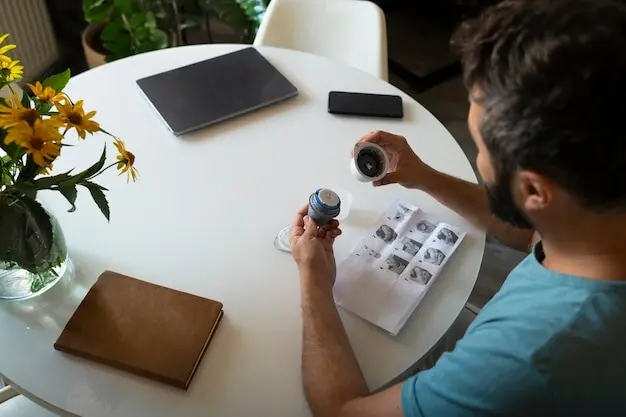
Smarter Days Through Small Experiments

Today we explore A/B Testing Your Routine: data-driven tweaks to improve focus and energy by turning everyday habits into gentle experiments. We will form simple hypotheses, measure focus, track energy, and iterate deliberately, proving that tiny, compassionate adjustments can unlock deep clarity, dependable stamina, and more joyful work. Expect practical steps, honest stories, and engaging prompts inviting you to test wake times, caffeine timing, breaks, and wind-downs, then share results so the community learns faster together.

Begin With a Clear Baseline

Before changing anything, capture a truthful snapshot of your days: sleep duration and consistency, morning alertness, midafternoon energy, distraction episodes, and focused minutes. Use lightweight logs or automated apps so tracking never becomes the job. For one ordinary week, resist tinkering, simply observe patterns, write quick notes about context, and celebrate noticing rather than optimizing.

Define What Success Looks Like

Choose two or three meaningful indicators, not ten. For focus, try minutes of deep work without context switching, task completion rate, or a simple self‑rating at set intervals. For energy, note steadiness across the day. Write a brief hypothesis describing how improvement would feel and why it matters.

Track Without Friction

Make logging require fewer than fifteen seconds, otherwise you will abandon experiments. Use a single emoji scale, a quick voice note, or an automated time tracker. Create calendar reminders at consistent moments so data points align, enabling fair comparisons and clearer insights when you eventually analyze changes.

Control the Obvious Confounders

Note variables that routinely disrupt results: illness, travel, looming deadlines, late‑night screens, alcohol, or unusual workouts. You do not need perfect control, only awareness. Tag entries with these flags so you can exclude outliers later, preserving honest interpretations instead of drawing heroic, misleading conclusions.

Design Experiments That Fit Real Life

Keep changes simple enough to live with. Test one lever at a time for a few cycles, then switch conditions. Alternate days, or use one‑week blocks to reduce fatigue and memory bias. Predefine stop dates, success thresholds, and what you will adopt if outcomes are mixed.

Isolate One Variable

When testing wake time, keep caffeine, breakfast, and exercise constant. When testing caffeine timing, hold wake time constant. The narrower the change, the clearer the signal. Complexity creates ghost patterns that evaporate under scrutiny, wasting enthusiasm and obscuring truly helpful, sustainable adjustments.

Choose Honest Windows

Morning experiments reveal different effects than afternoon trials because hormones, light exposure, and accumulated interruptions shift throughout the day. Pick windows that reflect when you actually need focus. Protect those windows on your calendar so meetings and notifications do not dilute the comparison.

Morning Levers for Reliable Clarity

{{SECTION_SUBTITLE}}

Shift Caffeine by Thirty Minutes

Hold dose constant and move your first coffee thirty minutes later than usual for three days, then thirty minutes earlier for three more. Record jitters, focus onset, and afternoon dip intensity. Many discover delayed caffeine smooths energy because adenosine receptors reset more fully after waking.

Open With Bright Light and Movement

Spend five to ten minutes near outdoor light or a bright window immediately after waking, paired with gentle mobility. Compare this start against staying dim and sedentary. Watch how quickly mental fog clears, how cravings change, and whether motivation to begin deep work arrives more easily.

Work Blocks, Breaks, and Boundaries That Protect Flow

Structure shapes cognition. Compare shorter pomodoros against longer, fewer sprints. Batch shallow tasks away from prime hours. Guard deep sessions with app blockers and calendar holds. Observe not just output, but ease of restarting after interruptions and the emotional tone you carry into evening recovery.

Pomodoro Versus 52/17

Run three days using 25/5 cycles, then three using 52/17. Track context switches, perceived depth, and task completion. Some brains prefer brisk cadence, others savor prolonged immersion. Honor whichever pattern leaves you calmer and more effective, even if it defies fashionable productivity advice.

Silence Notifications by Default

Flip your phone and desktop to allow‑list only during protected blocks. Compare against business‑as‑usual alerts for the same tasks. Count pings, measure recovery time, and rate session satisfaction. Expect surprising relief. Invite teammates to a shared experiment and trade results to encourage healthier norms.

Engineer Friction for Distractions

Move tempting apps to a hidden screen, log out after each use, or relocate your phone across the room during deep work. These tiny delays let intentions win more often. Compare craving intensity and task stickiness before adopting your favorite protective obstacles permanently.

Beat the Midday Dip Without Borrowing Tomorrow’s Energy

Ultradian rhythms naturally crest and fall. Rather than pushing harder, test restorative micro‑interventions: brisk walks, breathing drills, short naps, or hydration timing. Notice whether creative thinking improves after recovery. Your goal is sustainable momentum, not endless acceleration that leaves you depleted, irritable, and sleep‑resistant at night.

Evenings That Refuel Tomorrow’s Attention

Screen Curfew Versus Filters

Trial a one‑hour screen curfew against keeping devices but adding strict warm color filters and reduced brightness. Track time‑to‑sleep, night awakenings, and morning alertness. Notice also your mood and relationships during that last hour, then keep whichever approach nourishes rest and connection most reliably.

Dinner Timing and Composition

Trial a one‑hour screen curfew against keeping devices but adding strict warm color filters and reduced brightness. Track time‑to‑sleep, night awakenings, and morning alertness. Notice also your mood and relationships during that last hour, then keep whichever approach nourishes rest and connection most reliably.

Write It Down, Then Power Down

Trial a one‑hour screen curfew against keeping devices but adding strict warm color filters and reduced brightness. Track time‑to‑sleep, night awakenings, and morning alertness. Notice also your mood and relationships during that last hour, then keep whichever approach nourishes rest and connection most reliably.

Turn Numbers Into Lasting Habits

Once experiments finish, visualize results with modest charts and plain language notes. Look for consistent, meaningful improvements your future self will appreciate, not just dramatic spikes. Decide what to keep, schedule reviews, and invite readers to share their findings so collective wisdom refines everyone’s routines.

Define a Minimal Effective Dose

Adopt only the smallest action that produced reliable benefits, such as delaying caffeine fifteen minutes, wearing headphones during two morning blocks, or committing to a four‑line shutdown. Small is believable, repeatable, and resilient during travel or stress, multiplying adherence and preserving the gains you earned.

Tell the Story Behind the Stats

Numbers persuade the brain, but stories persuade behavior. Write a short narrative describing what mornings felt like, where confidence returned, and how relationships improved. Ask readers to reply with their own notes. Shared reflection turns isolated data points into motivating, human meaning.

Naririnonexovexokaro
Privacy Overview

This website uses cookies so that we can provide you with the best user experience possible. Cookie information is stored in your browser and performs functions such as recognising you when you return to our website and helping our team to understand which sections of the website you find most interesting and useful.